








The Oracle Tencent GPU Deal is testing the limits of U.S. chip controls and reshaping the AI business landscape. This partnership could have significant implications for technology companies.
Overview of the Oracle Tencent GPU Deal
The recent Oracle Tencent GPU Deal marks a significant development in the realm of artificial intelligence and cloud computing. This collaboration aims to leverage advanced graphics processing units (GPUs) to enhance AI capabilities, especially within the Asian market. With the growing demand for AI solutions, both companies recognize the necessity of combining their resources and expertise to remain competitive.
However, the deal also arrives amidst increasing scrutiny and regulatory challenges regarding U.S. chip exports to China. This situation raises questions about the sustainability and future of such partnerships, as regulatory measures could impact the availability of essential technology. In light of these concerns, stakeholders are closely monitoring the implications of the Oracle Tencent GPU Deal.
- Enhanced AI capabilities
- Strategic market expansion
- Regulatory challenges
Impact of U.S. Chip Controls
The recent Oracle Tencent GPU Deal has ignited discussions regarding the impact of U.S. chip controls on the global tech landscape. As the U.S. government tightens restrictions on semiconductor exports, companies are forced to navigate a complex environment. This deal, which aims to enhance AI capabilities, presents challenges in compliance with these regulations.
Industry experts are concerned that the U.S. measures could hinder innovation, particularly in the rapidly evolving field of artificial intelligence. Key points of consideration include:
- Supply Chain Disruptions: Companies may face delays in acquiring necessary components.
- Market Competition: Foreign firms could gain an edge if U.S. companies are restricted from accessing advanced technology.
- Regulatory Compliance: Ensuring adherence to U.S. laws while pursuing international collaborations may complicate future deals.
Ultimately, the Oracle Tencent GPU Deal underscores the delicate balance between fostering innovation and adhering to regulatory frameworks.
Future of AI Business Partnerships
The Oracle Tencent GPU Deal marks a significant shift in the landscape of AI business partnerships. As companies increasingly rely on advanced computing power, collaborations like this one are expected to reshape the industry.
Both Oracle and Tencent have established themselves as leaders in cloud computing and gaming, respectively. This partnership leverages Oracle’s robust infrastructure with Tencent’s vast user base, creating a powerful synergy aimed at enhancing AI capabilities.
Looking ahead, the potential for further alliances in the AI space is enormous. Companies may seek to combine resources and expertise to tackle complex challenges and innovate faster. Key factors influencing these partnerships include:
- Access to cutting-edge technology
- Shared data insights
- Cost efficiency in operations
Ultimately, the Oracle Tencent GPU Deal could pave the way for more strategic partnerships that redefine how businesses approach AI and technology integration.
Key Players in the Deal
The Oracle Tencent GPU Deal involves several key players that are significant in the technology and AI sectors.
- Oracle Corporation: A leader in cloud computing and enterprise software, Oracle aims to enhance its capabilities in AI through this collaboration.
- Tencent Holdings: As a major player in the technology and entertainment industries, Tencent’s involvement brings substantial resources and expertise in AI development.
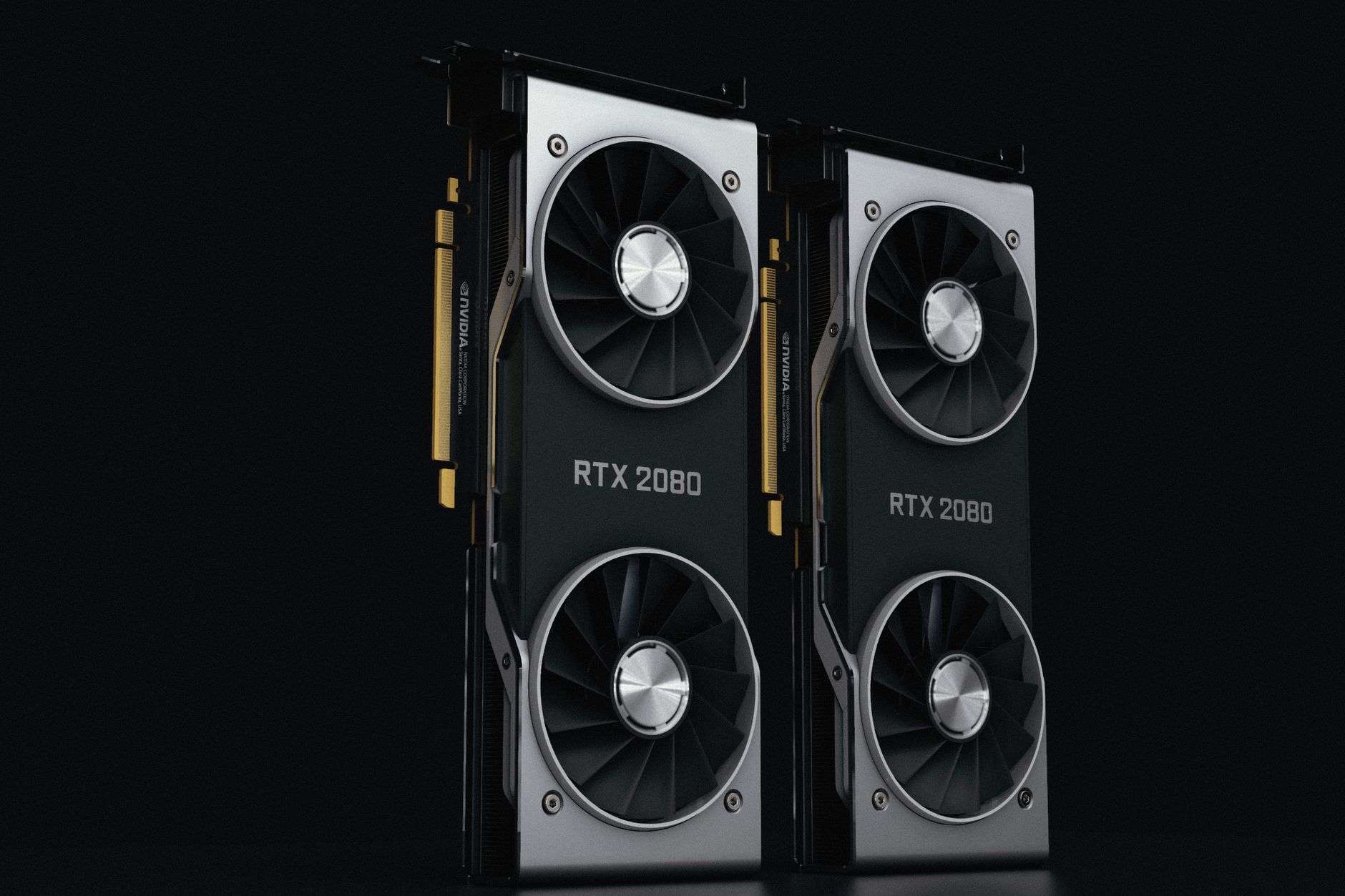
- NVIDIA: The leading GPU manufacturer, NVIDIA’s technologies are crucial to the success of the deal, providing the necessary hardware for advanced AI applications.
- U.S. Government: With ongoing chip controls, the government’s stance influences the operational landscape for both Oracle and Tencent, adding layers of complexity to the deal.
These key players all contribute unique strengths to the Oracle Tencent GPU Deal, positioning it as a pivotal moment in the evolution of AI business partnerships.
Analysis of Market Reactions
The announcement of the Oracle Tencent GPU Deal has sparked varied reactions across the tech industry, highlighting the ongoing tension between innovation and regulation. Investors are closely monitoring how this partnership will navigate the complex landscape shaped by U.S. chip controls.
Market analysts suggest that this collaboration could provide Oracle and Tencent with a competitive edge in the rapidly evolving AI sector. Some believe that the deal may encourage other tech firms to explore similar partnerships, while others express caution due to potential regulatory hurdles.
Key responses include:
- Optimism: Many investors view the Oracle Tencent GPU Deal as a strategic move that could accelerate AI development and deployment.
- Concerns: There are worries about how U.S. sanctions might affect supply chains and access to critical technology.
- Long-Term Outlook: Experts predict that this deal could reshape AI business partnerships, encouraging further collaboration amid regulatory challenges.
Photo by Nana Dua on Pexels
Sources
Related reading
GlobalFoundries Stock Analysis: The Clear Bull Case Ahead · Why Tie Dye Shirts Remain a Creative Choice for Modern Casual Style · Mistral Large 4 Review: The Best Proven AI Model