

angiogenesis VEGFR signalling is a groundbreaking discovery that reveals how blood vessel formation can occur without typical signaling pathways. This research opens new avenues for therapeutic interventions.
Understanding Angiogenesis
Angiogenesis, the process of new blood vessel formation, plays a crucial role in various physiological and pathological conditions. Understanding the mechanisms underlying this process is essential for developing targeted therapies, particularly in cancer treatment. A key player in angiogenesis is the vascular endothelial growth factor receptor (VEGFR) signalling pathway, which regulates endothelial cell proliferation, migration, and survival.
Recent studies have highlighted the significance of VEGFR signalling in promoting angiogenesis. However, intriguing findings suggest that angiogenesis can also occur in the absence of VEGFR signalling through a phenomenon known as venousization. This process involves the transformation of venous structures into functional arterial-like vessels, allowing for adaptive responses in tissue oxygenation.
Key factors involved in this process include:
- Hypoxia-inducible factors (HIFs), which drive the expression of pro-angiogenic factors.
- Notch signalling, which influences vascular differentiation and stability.
- Inflammatory mediators, which can enhance vascular remodeling.
Understanding these alternative pathways provides insights into potential therapeutic strategies targeting angiogenesis without relying solely on VEGFR signalling.
The Role of VEGFR Signalling
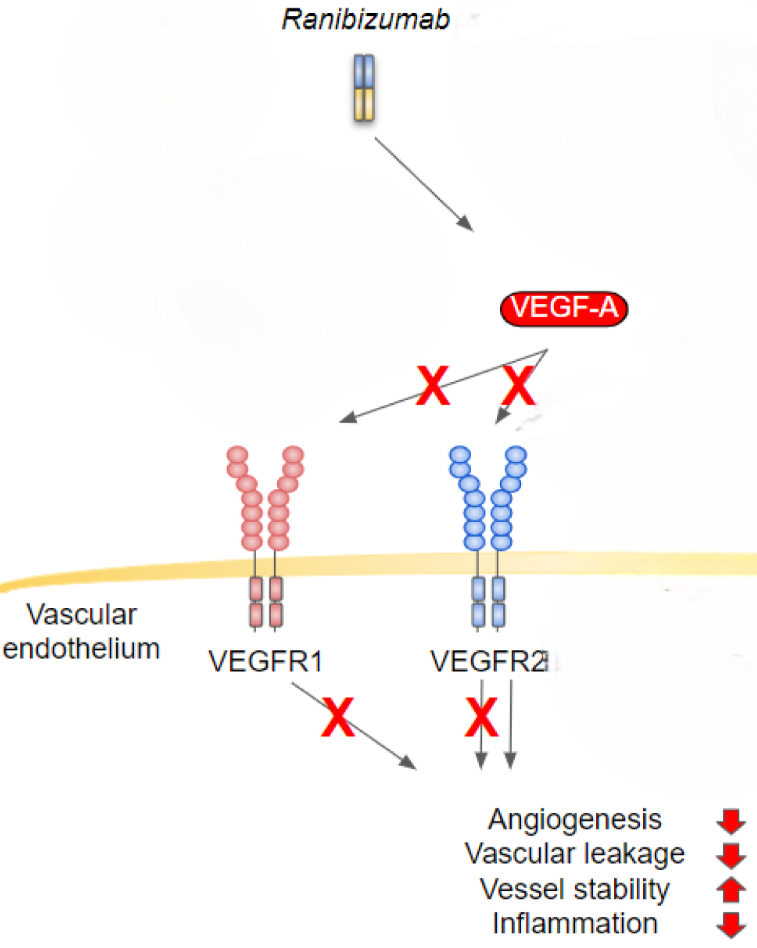
The role of VEGFR signalling in angiogenesis is crucial for the regulation of blood vessel formation. Vascular endothelial growth factor receptors (VEGFRs) are key mediators that facilitate various cellular responses essential for angiogenesis.
When activated, VEGFRs initiate a cascade of intracellular signaling pathways that promote:
- Endothelial cell proliferation – This is vital for expanding the endothelial cell population necessary for new vessel formation.
- Migration of endothelial cells – Endothelial cells must move to form new capillaries, a process driven by VEGFR signalling.
- Survival of endothelial cells – VEGFRs help protect these cells from apoptosis, ensuring stable blood vessel development.
Disruption of VEGFR signalling can lead to impaired angiogenesis, impacting tissue repair and regeneration. Understanding the intricacies of angiogenesis and VEGFR signalling will unlock potential therapeutic strategies for various diseases, including cancer and cardiovascular conditions.
Recent Research Findings
Recent studies have provided new insights into the relationship between angiogenesis and VEGFR signalling. Researchers have discovered that venousization, a process where veins adapt to exhibit arterial characteristics, can stimulate angiogenesis even in the absence of VEGFR signalling. This finding challenges previous assumptions about the necessity of VEGFR in promoting blood vessel growth.
Key observations from recent research include:
- Adaptability of Venous Structures: Venous tissues have shown the ability to undergo significant transformation, facilitating the formation of new vascular networks.
- Alternative Pathways: Other signalling pathways may compensate for the lack of VEGFR activity, promoting angiogenesis through different molecular mechanisms.
- Implications for Therapy: Understanding these alternative routes opens potential therapeutic avenues for conditions where VEGFR signalling is impaired.
As scientists continue to explore angiogenesis VEGFR signalling, these findings may reshape the approach to vascular-related diseases and treatment strategies.
Implications for Medical Treatments
The implications of angiogenesis VEGFR signalling in medical treatments are vast and critical for advancing therapeutic strategies. Understanding the mechanisms behind this signalling pathway can lead to innovative approaches in managing various diseases, particularly cancers and cardiovascular disorders.
Recent studies have highlighted several potential applications:
- Targeted Therapies: By inhibiting VEGFR signalling, researchers aim to starve tumors of their blood supply, effectively limiting their growth and spread.
- Regenerative Medicine: Enhancing angiogenesis through VEGFR modulation holds promise for treating ischemic diseases, where improved blood flow can aid in tissue repair.
- Combination Treatments: Utilizing VEGFR inhibitors alongside conventional therapies may increase treatment efficacy by tackling multiple pathways involved in disease progression.
As understanding of angiogenesis VEGFR signalling continues to evolve, the potential for novel therapeutic interventions expands, paving the way for better patient outcomes.
Challenges in Current Studies
Despite significant advancements in understanding angiogenesis and VEGFR signalling, researchers face several challenges that hinder progress in this field. One major issue is the complexity of the angiogenic process itself, which involves numerous cellular interactions and signaling pathways.
Moreover, there is a lack of standardized methodologies across studies, making it difficult to compare results and draw definitive conclusions. Some of the key challenges include:
- Variability in Experimental Models: Different animal models and in vitro systems can yield inconsistent results.
- Incomplete Understanding of Pathways: While VEGFR signalling is crucial, other angiogenic factors may play significant roles that are not fully understood.
- Therapeutic Limitations: Current treatments targeting VEGFR may not be effective in all patients, necessitating the exploration of alternative pathways.
As research progresses, addressing these challenges is vital for developing more effective therapies that leverage angiogenesis VEGFR signalling for clinical benefits.
Future Directions in Angiogenesis Research
As researchers delve deeper into the mechanisms of angiogenesis, particularly focusing on VEGFR signalling, future directions in this field appear promising. Innovative approaches are being explored to enhance our understanding of angiogenesis, especially in contexts where traditional pathways may be compromised.
Key areas for future research include:
- Alternative Signalling Pathways: Investigating how other growth factors and receptors can compensate for VEGFR signalling disruptions.
- Therapeutic Applications: Developing targeted therapies that can either inhibit or promote angiogenesis based on VEGFR activity.
- Combination Therapies: Exploring synergistic effects with existing treatments to improve outcomes in conditions like cancer and ischemic diseases.
- Genetic Studies: Using gene-editing technologies to dissect the role of specific genes in angiogenesis and their interaction with VEGFR pathways.
By pursuing these avenues, researchers hope to unlock new strategies for manipulating angiogenesis and addressing the associated health challenges effectively.
Recent studies have highlighted the critical role of angiogenesis VEGFR signalling in tumor progression and metastasis. Understanding the mechanisms behind angiogenesis VEGFR signalling can pave the way for novel therapeutic interventions.
By Heloterä, H.; Kaarniranta, K. via Openverse