


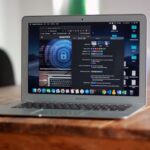



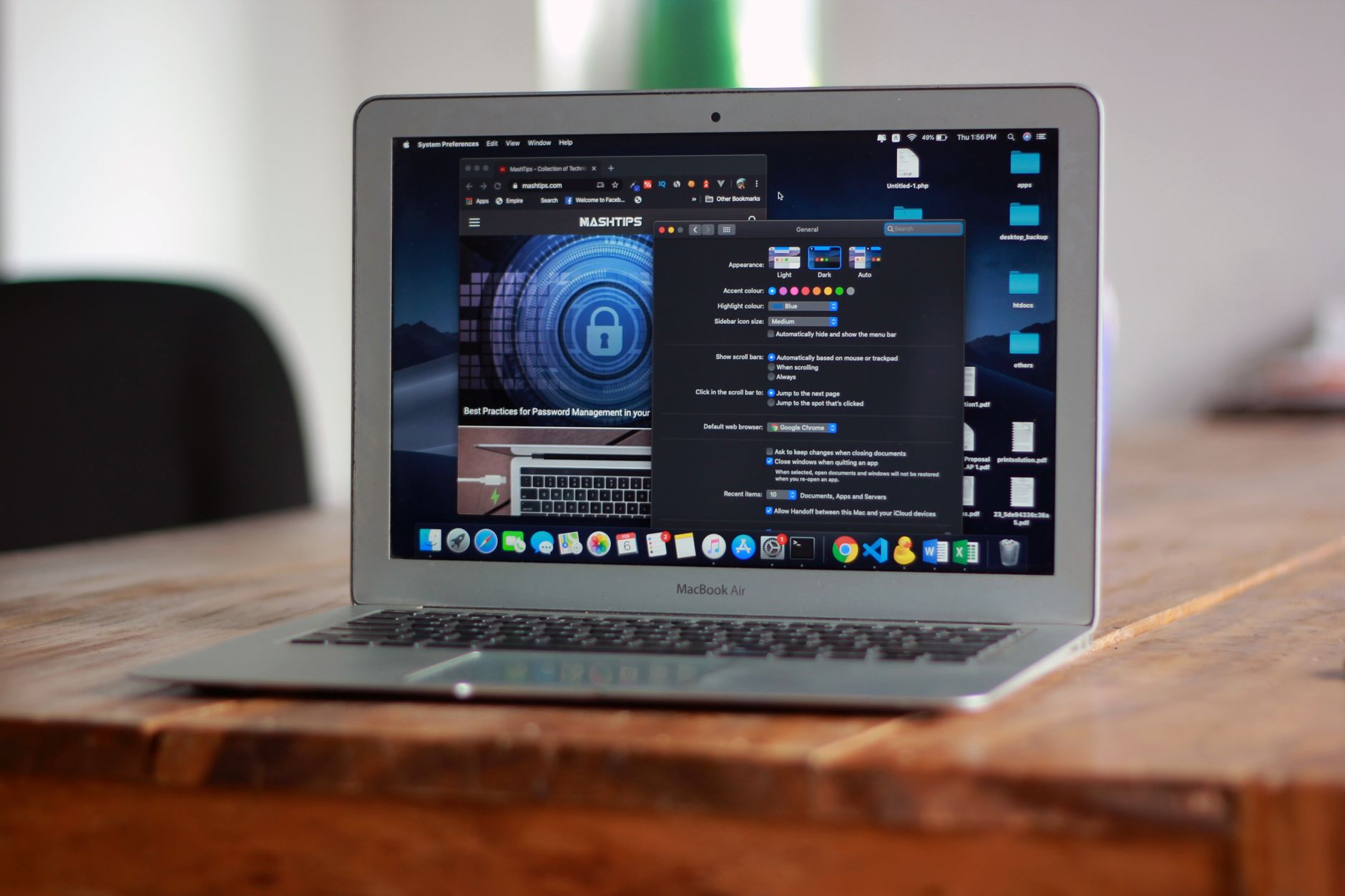
boot macOS on x86 PCs is now possible with Tyler TMS’s new release, Stela. This innovative project offers a unique solution for users looking to run macOS on non-Apple hardware.
What is Stela by Tyler TMS?
Tyler TMS has recently unveiled Stela, an innovative project designed to facilitate the process of booting macOS on x86 PCs. This early-stage tool aims to provide users with a seamless experience while navigating the complexities of running macOS on non-Apple hardware.
Stela serves as a bridge for enthusiasts who wish to explore the macOS environment without the need for a Mac. With its user-friendly interface, Stela simplifies the installation process, making it more accessible for individuals who may not be tech-savvy.
Key features of Stela include:
- Compatibility: Supports various x86 architectures.
- Enhanced Performance: Optimized for smooth operation.
- Community Support: Active forums for troubleshooting and tips.
As a result, Stela is emerging as a promising tool for those looking to boot macOS on x86 PCs efficiently.
How to Boot macOS on x86 PCs
Booting macOS on x86 PCs has become increasingly popular among tech enthusiasts seeking to explore Apple’s operating system without owning a Mac. To begin, users should first ensure their hardware is compatible with macOS. This involves checking the motherboard, CPU, and graphics card specifications.
Next, it is essential to create a bootable USB drive with the macOS installer. Tools such as UniBeast or Clover can assist in this process, allowing users to customize the installation for their hardware configuration.
Once the USB drive is ready, users can proceed to modify the BIOS settings, enabling features such as AHCI and disabling secure boot. Finally, by booting from the USB, users can initiate the installation of macOS on their x86 PCs.
With careful attention to detail, boot macOS on x86 PCs can be a rewarding experience, offering users a taste of Apple’s ecosystem.
Benefits of Using Stela
The introduction of Stela by Tyler TMS brings several benefits for those looking to boot macOS on x86 PCs. This innovative tool streamlines the installation process and enhances compatibility, allowing users to enjoy the macOS experience on non-Apple hardware.
Some key advantages of using Stela include:
- Ease of Use: Stela simplifies the setup, making it accessible even for users with limited technical knowledge.
- Performance Optimization: The tool is designed to optimize macOS performance on x86 architecture, ensuring a smoother experience.
- Active Development: With ongoing updates, Stela aims to continuously improve support and features, adapting to user feedback.
- Community Support: Users can benefit from a growing community that shares tips and solutions, enhancing the overall experience of booting macOS on x86 PCs.
These benefits make Stela a compelling choice for enthusiasts and developers alike.
Challenges in Running macOS on Non-Apple Hardware
While the prospect of booting macOS on x86 PCs is enticing, it comes with a set of challenges that users must navigate. One major issue is hardware compatibility; not all PC components work seamlessly with macOS, leading to potential system instability and performance issues.
Additionally, drivers for certain hardware may be unavailable or poorly optimized, resulting in limited functionality for peripherals. Users may also encounter difficulties with software updates, as new macOS versions could break compatibility with existing setups.
Another concern is the legal implications of running macOS on non-Apple hardware, which goes against Apple’s End User License Agreement (EULA). This can create a precarious situation for users who wish to maintain compliance while enjoying the benefits of macOS on their x86 machines.
Ultimately, these challenges require careful consideration before diving into the world of macOS on x86 PCs.
User Experiences with Stela
Users have shared a variety of experiences with Stela, highlighting its potential to boot macOS on x86 PCs. Many have praised its user-friendly interface and the straightforward setup process, which makes it accessible even for those with limited technical expertise.
However, some users reported challenges, particularly with hardware compatibility and performance issues. A few noted that while Stela allows for smoother installations, specific drivers were still required for optimal functionality.
Overall, the community feedback indicates that Stela is a promising tool for enthusiasts wanting to explore macOS on non-Apple hardware. The range of experiences suggests that while Stela is not without its flaws, it offers a viable pathway for users keen on experimenting with macOS on their x86 systems.
As more users try Stela, ongoing updates may further enhance its capabilities and performance.
Future of macOS on x86 Platforms
The future of macOS on x86 platforms appears promising yet uncertain. As technology evolves, the demand for alternatives to traditional Apple hardware is growing. Many users are eager to explore how to boot macOS on x86 PCs, driven by cost-effectiveness and customization options.
With tools like Stela by Tyler TMS, enthusiasts now have a viable method to run macOS on non-Apple systems. However, the long-term sustainability of such projects depends on community support and ongoing development. Key factors influencing this future include:
- Legal Implications: Apple’s licensing agreements may pose challenges for broader adoption.
- Community Engagement: Active forums and user contributions could enhance the development of boot solutions.
- Technological Advancements: Continuous improvements in hardware compatibility are essential for success.
As interest grows, the landscape for macOS on x86 PCs will undoubtedly evolve.
Many enthusiasts have found that the ability to boot macOS on x86 PCs offers a unique blend of performance and customization. However, the process can be complex, requiring careful attention to hardware compatibility and software configurations to successfully boot macOS on x86 PCs.
Photo by Abdullah Bin Mubarak on Pexels