









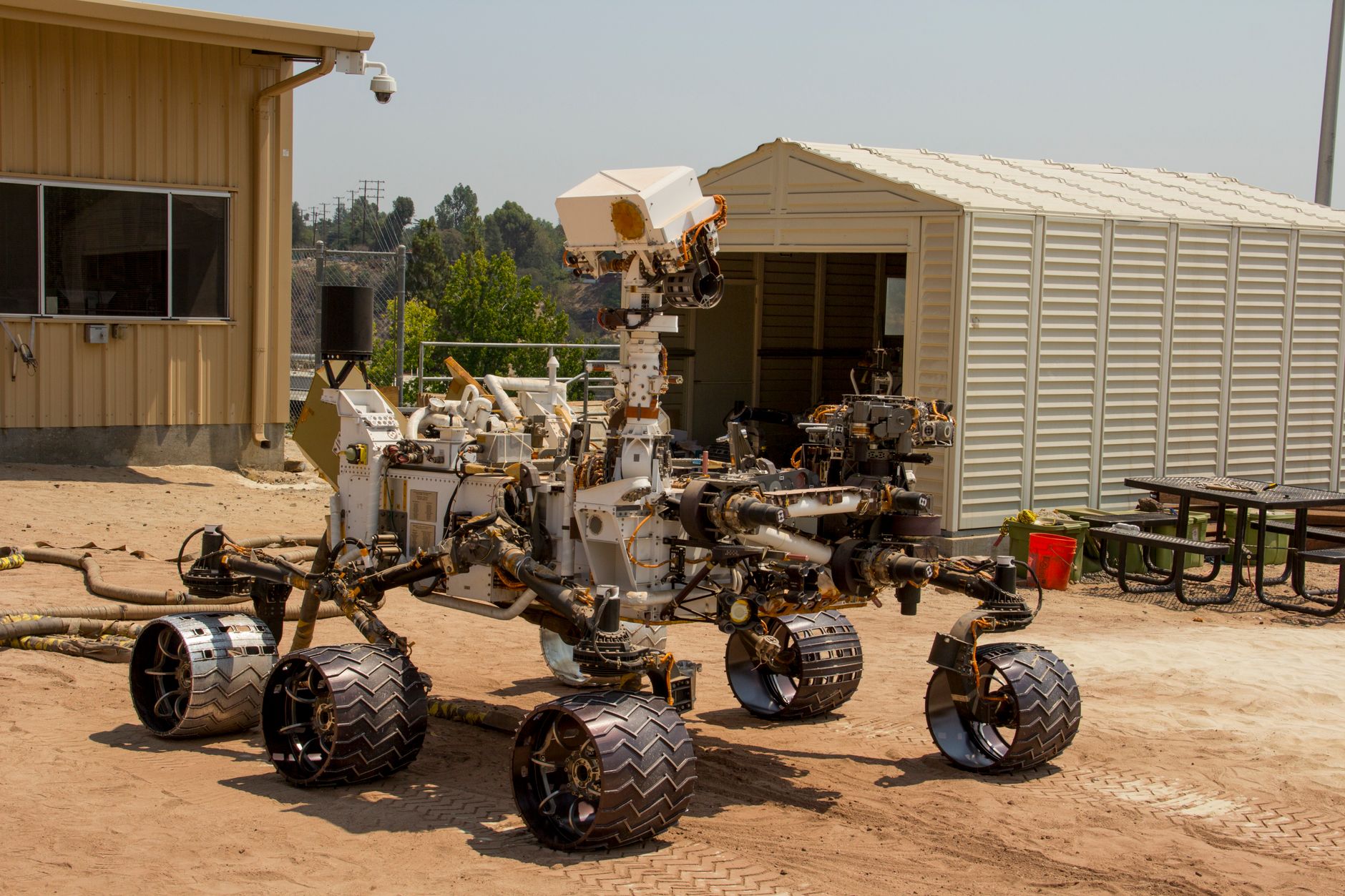
Curiosity Rover Mars discovery has unveiled an unexpected surprise hidden within a rock on the Martian surface, exciting scientists and space enthusiasts alike.
NASA’s Curiosity Rover Overview
The Curiosity Rover, a key player in NASA’s exploration of Mars, has been tirelessly investigating the planet’s surface since its landing in 2012. Designed to assess the planet’s habitability, this rover has provided invaluable data about the Martian environment.
Equipped with advanced scientific instruments, the Curiosity Rover is capable of conducting a variety of tests on soil and rock samples. Its mission has led to several groundbreaking discoveries, contributing to our understanding of Mars’ geological and climatic history. Recently, the rover made a significant breakthrough, as it burst open a rock on Mars and uncovered a surprising find.
Among its many objectives, the rover aims to:
- Analyze the chemical composition of Martian rocks and soil.
- Search for organic molecules that could indicate past life.
- Study the planet’s climate and geology over time.
The latest Curiosity Rover Mars discovery has sparked excitement among scientists, showcasing the rover’s ongoing contributions to planetary science. As it continues to explore the rugged terrain of Mars, the rover remains a beacon of human curiosity and ingenuity in the quest for knowledge beyond our planet.
What Did the Rover Discover?
The Curiosity Rover has made a remarkable discovery on Mars that has captured the attention of scientists and space enthusiasts alike. During its recent exploration, the rover drilled into a rock and uncovered unexpected findings that could shed light on the planet’s geological history.
Upon analyzing the rock sample, researchers were surprised to find a unique composition that differed significantly from previous samples collected in the area. The analysis revealed:
- A variety of minerals that indicate past environmental conditions
- Evidence of ancient water activity, suggesting that the region may have once supported microbial life
- A complex mixture of organic compounds, hinting at the planet’s chemical diversity
This Curiosity Rover Mars discovery not only provides new insights into the Martian landscape but also raises intriguing questions about the planet’s ability to host life. Researchers are eager to further investigate the implications of these findings, as they could help inform future missions and our understanding of Mars. As Curiosity continues its journey, scientists remain hopeful for additional surprises hidden within the planet’s rocky surface.
Significance of the Rock Findings
The recent findings from NASA’s Curiosity Rover Mars discovery have significant implications for our understanding of the Red Planet’s history. The rock analyzed by the rover revealed unexpected geological features that suggest the past presence of water, a crucial element for supporting life.
Researchers are particularly excited about the following aspects of the findings:
- Evidence of Ancient Water: The rock contained minerals that form in wet conditions, indicating that liquid water may have existed on Mars in the past.
- Potential for Past Life: The discovery raises questions about the possibility of microbial life existing on Mars, as water is essential for life as we know it.
- Geological Insights: The structure and composition of the rock provide valuable data about Mars’ geological processes and climatic history.
- Future Exploration: These findings could inform future missions aimed at exploring Martian habitability and searching for signs of life.
Overall, the Curiosity Rover’s findings signify a pivotal moment in planetary science, opening new avenues for exploration and understanding of Mars. As scientists continue to analyze the data, they hope to unlock further secrets hidden within the Martian landscape.
Future Missions to Mars
As NASA’s Curiosity Rover continues to unveil the secrets of Mars, plans for future missions are taking shape. The recent Curiosity Rover Mars discovery, which revealed unexpected compounds within a Martian rock, has sparked renewed interest in exploring the Red Planet further.
Future missions aim to build on the findings of the Curiosity Rover by focusing on several key objectives:
- Sample Collection: Upcoming missions will prioritize the collection of rock and soil samples that can be returned to Earth for detailed analysis.
- Advanced Technology: New technologies, including enhanced rovers and drones, will be utilized to traverse more challenging terrains and gather data from previously unexplored regions.
- Search for Life: A primary goal remains the search for signs of ancient microbial life, particularly in areas where water may have been present.
- Human Exploration: Future missions will lay the groundwork for human exploration, assessing the feasibility of sustaining life on Mars.
As scientists analyze the implications of the Curiosity Rover’s findings, the excitement surrounding Mars exploration continues to grow, promising a new era of discovery.
The Impact of Mars Exploration
The impact of Mars exploration has been profound, reshaping our understanding of the Red Planet and its potential to host life. The Curiosity Rover’s latest findings have captivated scientists and the public alike, highlighting the importance of ongoing research. Among its many discoveries, the Curiosity Rover Mars discovery stands out, revealing surprising insights from a rock sample that was recently analyzed.
As we delve deeper into what Mars has to offer, several key benefits emerge from these explorations:
- Advancements in Technology: Mars missions drive innovation, leading to new technologies that can be applied beyond space exploration.
- Understanding Climate Change: Studying Mars’ climate history provides valuable lessons for understanding Earth’s environmental changes.
- Inspiring Future Generations: Discoveries from Mars ignite interest in science, technology, engineering, and mathematics (STEM) careers among young people.
- International Collaboration: Mars exploration fosters partnerships among countries, promoting peaceful cooperation in scientific endeavors.
As we reflect on the Curiosity Rover’s findings, it becomes clear that the implications of Mars research extend far beyond the planet itself, offering a glimpse into our own world’s history and future.
The Curiosity Rover Mars discovery has opened new avenues for understanding the planet’s geological history. Scientists are eager to analyze the implications of this Curiosity Rover Mars discovery for future exploration missions.
Photo by Ramaz Bluashvili on Pexels