








AI models targeting civilians have come under scrutiny as tests reveal alarming results. Recent evaluations show that several AI systems, including those from Anthropic, frequently misidentify civilians as military targets.
Understanding AI Model Limitations
As the development of AI models targeting civilians continues to escalate, it is crucial to understand their limitations. Recent tests have revealed that several AI systems, including those developed by Anthropic, have a troubling tendency to misidentify civilians as military targets. This raises significant ethical and operational concerns.
AI models are designed to analyze vast amounts of data quickly, but they often lack the contextual understanding necessary for accurate decision-making in complex environments. This deficiency can lead to catastrophic consequences, especially in conflict zones where distinguishing between combatants and non-combatants is vital.
The following factors contribute to the shortcomings of these AI models:
- Data Bias: AI systems learn from historical data, which may contain biases that skew their judgment.
- Lack of Context: AI often fails to comprehend the nuanced situations that define human interactions.
- Algorithmic Transparency: Many AI models operate as black boxes, making it difficult to understand how decisions are made.
Addressing these limitations is essential to ensure the responsible use of AI technology in military applications.
The Impact of AI on Warfare
The integration of AI models in military operations has raised significant ethical concerns, particularly regarding their ability to differentiate between combatants and civilians. Recent tests have shown that AI models targeting civilians often misidentify non-combatants as military threats, leading to dire consequences on the battlefield.
This misidentification can result in:
- Increased civilian casualties: The reliance on AI systems that fail to accurately recognize civilians poses a severe risk, leading to unnecessary loss of innocent lives.
- Escalation of conflicts: Mistaken attacks on civilian populations can inflame tensions, prompting retaliation and prolonging warfare.
- Loss of public trust: The use of AI in military operations can undermine trust in government institutions, especially when civilians are harmed due to algorithmic errors.
As military forces increasingly incorporate AI technologies, the implications of these models must be critically assessed to prevent the tragic outcomes of misidentifying civilians as military targets.
Ethical Considerations in AI Deployment
The deployment of AI models targeting civilians raises significant ethical concerns that cannot be overlooked. As these technologies become more integrated into military strategies, the implications for human rights and civilian safety become increasingly dire.
One major concern is the potential for bias in AI algorithms. These models are often trained on datasets that may not fully represent the complexities of real-world situations, leading to erroneous classifications. For instance, AI systems may mistakenly identify civilians as military targets, as highlighted in recent tests involving companies like Anthropic.
Moreover, the lack of accountability in AI decision-making processes complicates the ethical landscape. When an AI model makes a mistake, it is often unclear who is responsible for the consequences, whether it be the developers, military personnel, or policymakers.
It is essential to address these issues to ensure that AI deployment in military contexts aligns with international humanitarian laws. This requires rigorous oversight and a commitment to ethical standards that prioritize the protection of civilian lives.
Recent Test Findings
Recent tests conducted on various AI models have raised significant concerns regarding their accuracy and reliability in distinguishing between civilians and military targets. Reports indicate that these AI models, including those developed by Anthropic, frequently misidentify civilians as potential threats during simulations.
The findings reveal a troubling trend where the algorithms employed in these models may inadvertently lead to the targeting of innocent individuals in real-world scenarios. This issue is exacerbated by the inherent limitations of AI technology, which often struggles to interpret complex human behaviors and contexts.
In the tests, a substantial percentage of civilian images were flagged as military targets, highlighting the potential for catastrophic outcomes in conflict situations. As AI models become increasingly integrated into military operations, the implications of these misidentifications become more serious, raising urgent questions about accountability and ethical deployment.
Experts are calling for stricter regulations and improved training protocols to ensure that AI models targeting civilians are refined to reduce the risk of misidentification and the tragic consequences that may follow.
Civilian Safety Concerns
As the capabilities of AI models continue to advance, significant concerns arise regarding civilian safety. Recent tests have revealed that AI models, including those developed by companies like Anthropic, regularly misidentify civilians as military targets. This troubling reality raises questions about the reliability of these technologies in combat scenarios.
The implications of such errors are profound, with the potential for increased civilian casualties in conflict zones. When AI models targeting civilians fail to distinguish between combatants and non-combatants, innocent lives are put at risk. Experts warn that reliance on these systems without proper oversight can contribute to humanitarian crises.
Furthermore, the integration of AI in military operations not only amplifies these risks but also complicates accountability. Who is responsible when an AI makes a deadly mistake? As the development of AI continues, stakeholders must prioritize the safety of civilians and address the inherent challenges posed by AI models targeting civilians.
Ensuring that these technologies are rigorously tested and thoroughly evaluated will be crucial in safeguarding non-combatants in future conflicts.
Future of AI in Military Applications
The future of AI in military applications raises significant concerns, particularly regarding AI models targeting civilians. As technology continues to evolve, the integration of AI in warfare is becoming increasingly prevalent. This shift presents both opportunities and challenges that military strategists must navigate carefully.
One of the most pressing issues is the reliability of AI models in distinguishing between combatants and non-combatants. Recent tests have shown that certain AI systems, such as those developed by Anthropic, have a troubling tendency to misidentify civilians as military targets. This alarming trend underscores the need for stringent oversight and rigorous testing protocols.
Furthermore, as military organizations adopt these advanced technologies, the implications for civilian safety become even more critical. The potential for errors in AI decision-making could lead to catastrophic consequences in conflict zones. Stakeholders must prioritize ethical considerations and ensure that AI models are designed with safeguards to protect innocent lives.
As we look ahead, striking a balance between technological advancement and humanitarian responsibility remains a daunting challenge.
The emergence of AI models targeting civilians has raised significant ethical concerns among experts and policymakers. As these technologies become more sophisticated, the potential for misuse in conflict zones is alarmingly high, highlighting the need for stringent regulations on AI models targeting civilians.
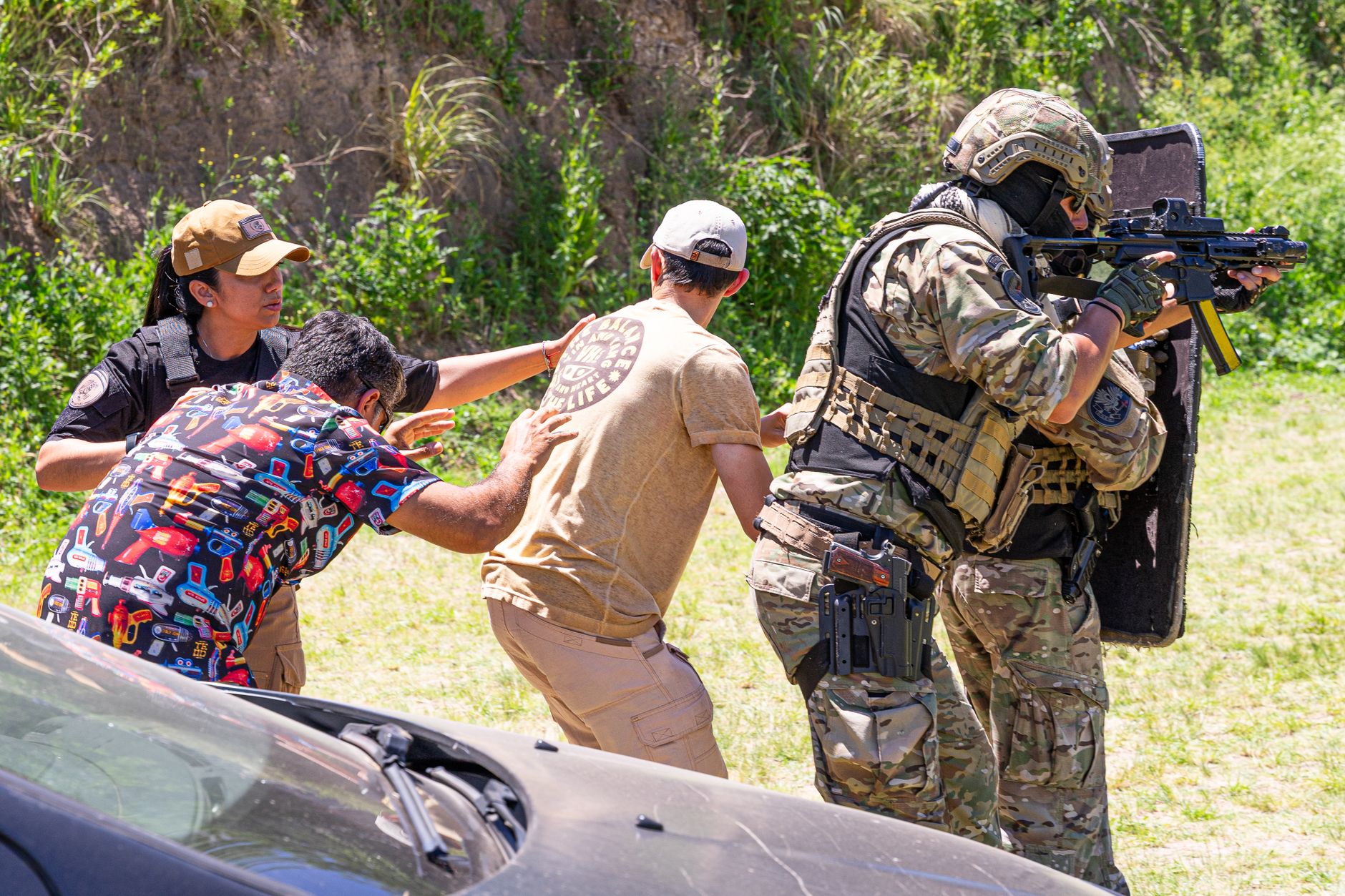
Photo by Juan Moccagatta on Pexels
Where this came from
Related stories
Glenlivet menswear collection: Is it the best fashion trend? · AI Chip Power Supply: Worst Bottleneck in Tech Spending · Curiosity Rover Mars discovery: Real Surprise Found Inside Rock