




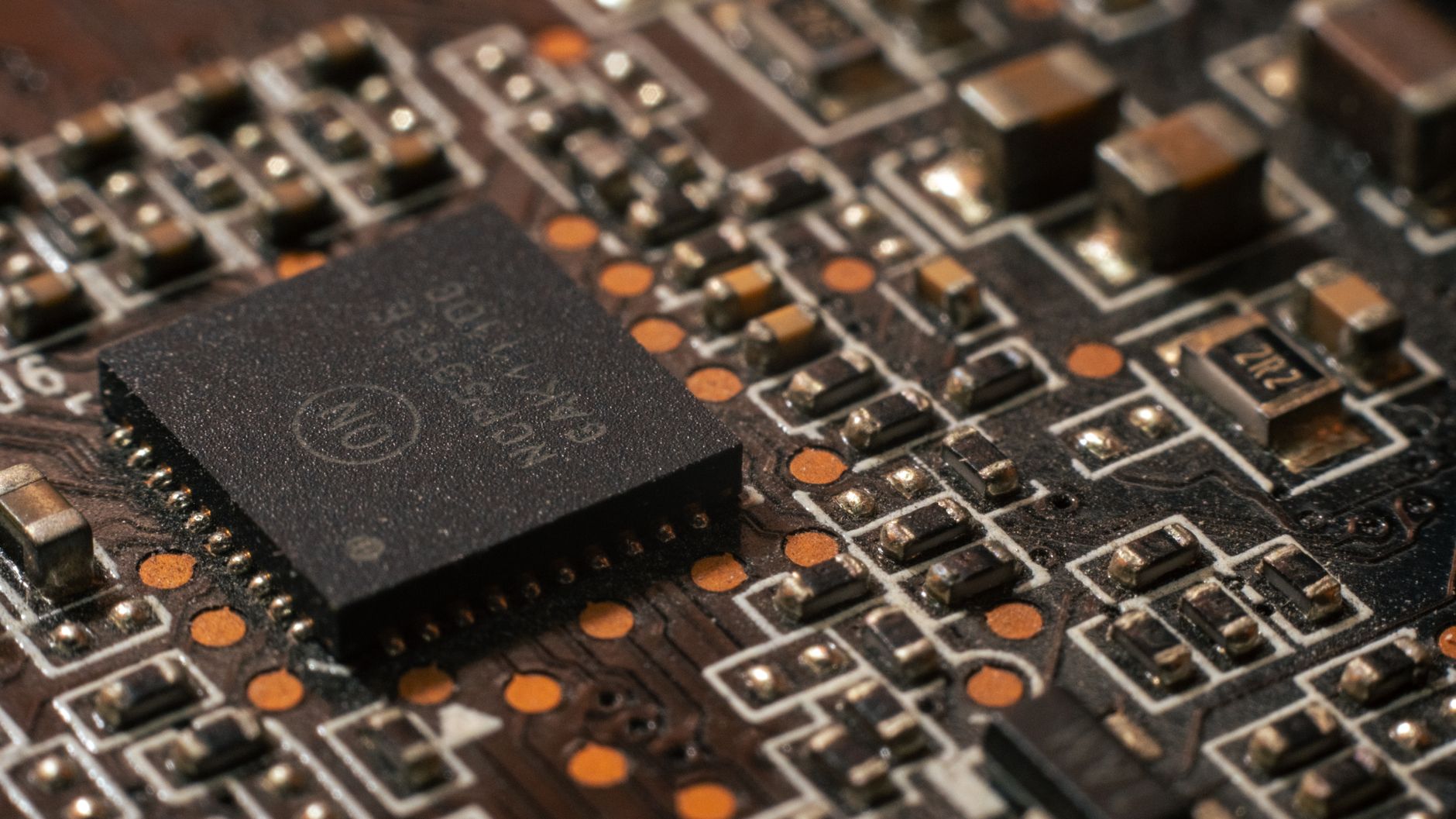
The AI chip acquisition landscape is shifting, as Hugging Face’s recent $12.9 billion acquisition exposes a critical gap in the industry. This move could reshape the future of AI technology and its applications.
Understanding the AI Chip Market
The AI chip market has been evolving rapidly, driven by the increasing demand for advanced machine learning and data processing capabilities. Recent movements, such as the significant acquisition of Hugging Face for $12.9 billion, have highlighted the critical gap in the availability and accessibility of specialized AI chips.
As companies race to develop and deploy AI technologies, the necessity for high-performance chips has never been more evident. These chips are essential for powering complex algorithms and supporting large-scale data operations. However, the market is currently facing several challenges:
- Limited Supply: The production of cutting-edge AI chips is concentrated among a few key players, creating a bottleneck in availability.
- High Costs: The financial investment required for high-quality AI chip acquisition can be prohibitive for smaller companies.
- Technological Advancements: Rapid advancements in AI capabilities are outpacing the development of corresponding hardware, leading to a growing disparity.
This gap underscores the need for innovative solutions and investment in AI chip development to support the future of artificial intelligence.
Hugging Face’s Strategic Move
Hugging Face, a prominent player in the AI landscape, has made headlines with its recent $12.9 billion acquisition aimed at bridging the significant gaps in the AI chip market. This strategic move is seen as a response to the growing demand for advanced AI capabilities, which rely heavily on specialized hardware.
The acquisition highlights several key factors:
- Increased Demand: As AI applications become more prevalent, the need for efficient and powerful chips has surged, prompting companies like Hugging Face to seek control over their hardware supply.
- Technological Advancements: The integration of cutting-edge technology within AI chips can enhance performance, making it crucial for companies to invest in these assets to remain competitive.
- Market Dynamics: The strategic acquisition reflects the shifting landscape of the AI chip market, where traditional chipmakers may struggle to keep pace with the rapid advancements in AI technologies.
By focusing on AI chip acquisition, Hugging Face aims not only to solidify its position in the market but also to drive innovation that will shape the future of artificial intelligence.
Implications for AI Development
The recent acquisition of Hugging Face for $12.9 billion has illuminated significant implications for the future of AI development. As competition in the AI sector intensifies, the demand for advanced AI chips is becoming increasingly critical. Companies are now recognizing that the ability to harness cutting-edge hardware is essential for delivering superior performance in their AI models.
One of the most pressing issues revealed by this acquisition is the disparity in access to high-quality AI chips. This gap can hinder smaller firms from competing effectively with tech giants, potentially stifling innovation. As Hugging Face positions itself as a leader in AI, it underscores the importance of securing reliable chip sources to drive its technology forward.
Furthermore, the implications extend beyond just hardware availability. The acquisition highlights the need for collaboration between software developers and chip manufacturers to create optimized solutions. This synergy is vital for the evolution of AI applications, ensuring that they are both powerful and efficient.
In summary, the AI chip acquisition landscape is shifting, and companies must adapt to thrive in this new environment.
Investors React to the Acquisition
In response to Hugging Face’s recent $12.9 billion acquisition, investors have expressed a mix of optimism and concern regarding the future of AI chip technology. The acquisition highlights a critical gap in the AI chip market, prompting many to reassess their investment strategies.
Analysts are particularly focused on the implications of this acquisition for the competitive landscape. Investors are keenly aware that advancements in AI chip technology are essential for sustaining growth in the sector. As Hugging Face positions itself at the forefront of AI development, many see this as a pivotal moment for companies involved in AI chip acquisition.
- Increased funding: Some investors are considering increasing their allocations to AI startups that specialize in chip design and manufacturing.
- Market consolidation: The acquisition is seen as a potential catalyst for further consolidation within the AI chip market.
- Long-term growth: Many believe that companies that can effectively bridge the gap in AI chip technology will reap substantial rewards in the future.
As the landscape shifts, it remains to be seen how other players will respond to this significant acquisition.
Comparing AI Chip Manufacturers
As companies race to dominate the AI landscape, understanding the strengths and weaknesses of various AI chip manufacturers is crucial. The recent AI chip acquisition by Hugging Face has illuminated significant disparities among key players in the market.
Leading manufacturers can be categorized based on their technology offerings and market strategies:
- NVIDIA: Known for its powerful GPU architectures, NVIDIA remains a top choice for AI processing, providing extensive software support and a robust ecosystem.
- AMD: With its advancing AI capabilities, AMD is positioning itself as a formidable competitor, focusing on energy-efficient designs that appeal to a growing market segment.
- Intel: Historically dominant, Intel is now pivoting towards specialized AI chips, but faces challenges in keeping pace with newer entrants.
- Google: Leveraging its TPU technology, Google has crafted chips specifically designed for deep learning applications, catering to its cloud services.
Investors and tech enthusiasts alike are keenly observing how these manufacturers will adapt in the wake of Hugging Face’s strategic acquisition, which underscores the critical need for innovation in AI chip production.
Future Trends in AI Technology
The recent acquisition of Hugging Face has spotlighted the evolving landscape of AI technology and the critical role of AI chip acquisition in shaping future trends. As businesses and researchers increasingly rely on AI capabilities, the demand for specialized chips continues to surge.
Several trends are emerging in the realm of AI technology:
- Increased Investment: Companies are funneling significant resources into developing and acquiring advanced AI chips to enhance computational power.
- Collaboration and Partnerships: We are likely to see more collaborations between AI firms and semiconductor manufacturers to create tailored solutions.
- Focus on Energy Efficiency: Future AI chips are expected to prioritize energy efficiency, addressing environmental concerns while maintaining performance.
- Customization: Tailored chips designed for specific AI applications will become increasingly common, providing businesses with competitive advantages.
As the AI chip market continues to evolve, the strategic moves by companies like Hugging Face will pave the way for new innovations and applications, highlighting the importance of securing the right technology for future advancements.
The Role of AI in Business Growth
The integration of artificial intelligence (AI) into business operations has become a vital component for growth and innovation. Companies are increasingly recognizing the need for advanced AI technologies to enhance their services and products, leading to a surge in demand for specialized hardware like AI chips. These chips are crucial for processing large volumes of data quickly, enabling businesses to leverage AI effectively.
As highlighted by the recent Hugging Face acquisition, which involved a significant investment of $12.9 billion, there is a critical gap in the AI chip market that needs to be addressed. This acquisition underscores how essential robust AI chip capabilities are for companies looking to stay competitive in an evolving technological landscape.
Many businesses are now prioritizing their AI strategies, focusing on acquiring the necessary resources to develop and deploy AI solutions. This trend is prompting partnerships and collaborations between tech companies and AI chip manufacturers. The need for innovation in AI chip acquisition is becoming increasingly evident, as it directly impacts a company’s ability to harness the full potential of artificial intelligence.
As businesses continue to adapt to this landscape, the demand for efficient and powerful AI chips is expected to rise significantly.
The recent discussions surrounding AI chip acquisition highlight the technological disparities among leading companies. As Hugging Face illustrates, the AI chip acquisition process is not just about hardware, but also about strategic partnerships and innovation.
Photo by Ivan Chumak on Pexels
Read the original
Related reading
Royal Gold Portfolio Expansion: Is It Worth the Risk? · Dog Couture Brand: Armani’s Smart Expansion Strategy · CaratLane Australia Store: The Best New E-Commerce Option