







quantum state transfer is a groundbreaking method being explored in modern physics. Recent advancements show how microwave links can effectively transfer a three-level quantum state, paving the way for future technologies.
Understanding Quantum State Transfer
Quantum state transfer is a fundamental process in quantum information science, enabling the transfer of quantum states between distant particles without the need for physical movement. This technique holds promise for various applications, including quantum computing and secure communication.
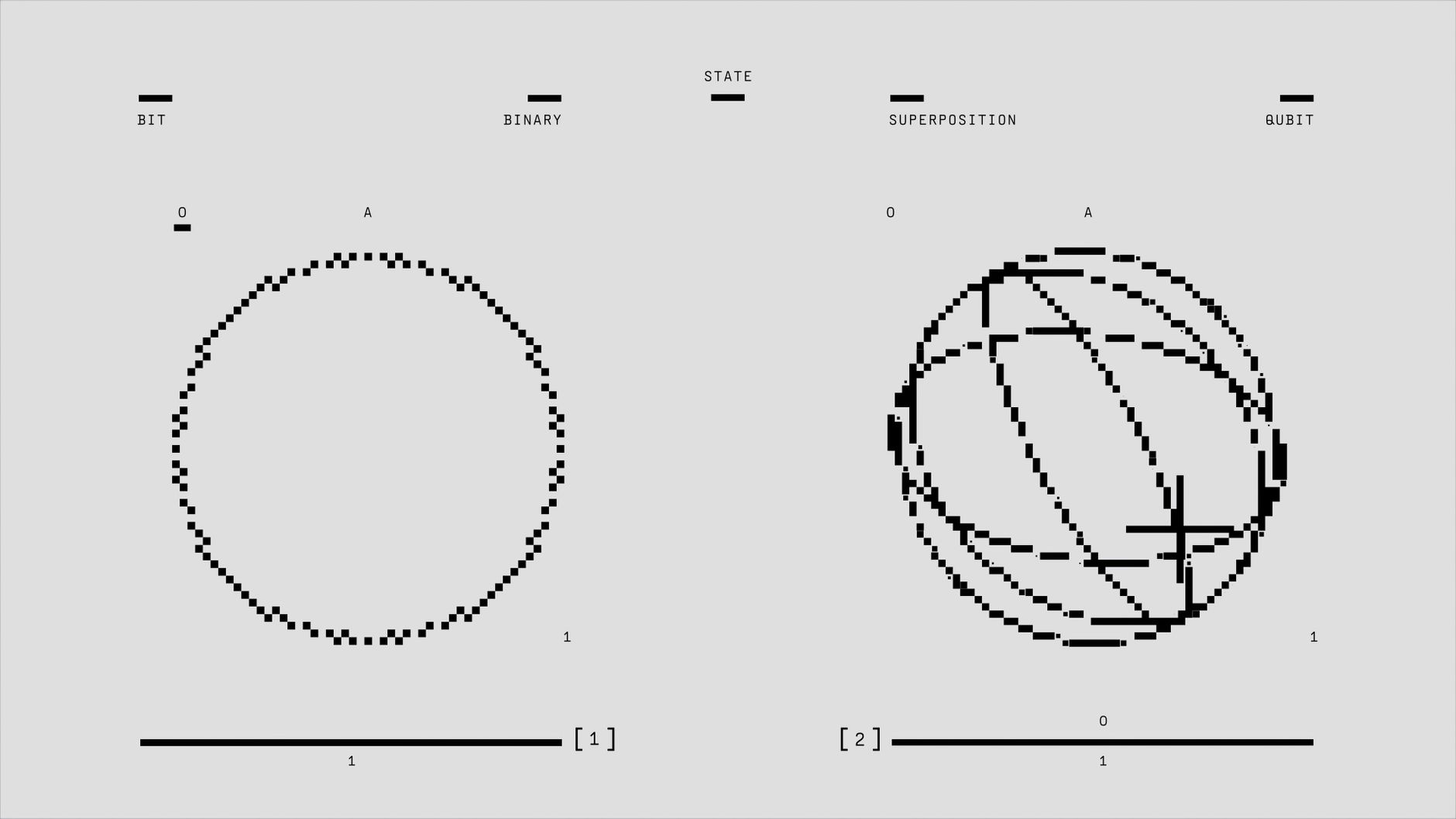
The method involves the manipulation of quantum states, which are defined by their unique superpositions of different states. In recent experiments, researchers have successfully utilized microwave links to facilitate the transfer of a three-level quantum state. This innovative approach showcases the potential of quantum state transfer in practical applications.
The process of quantum state transfer can be understood through a few key principles:
- Superposition: Quantum systems can exist in multiple states simultaneously, allowing for complex computations.
- Entanglement: Particles can be entangled, meaning the state of one particle is directly related to the state of another, regardless of the distance separating them.
- Measurement: When a quantum state is measured, it collapses into one of its possible states, making it essential to control the timing of measurements during the transfer process.
As research advances, the understanding and implementation of quantum state transfer are poised to revolutionize technology, paving the way for faster and more secure data transmission.
The Role of Microwave Links
Microwave links play a crucial role in the process of quantum state transfer, serving as a vital mechanism for transmitting quantum information over distances. These links utilize electromagnetic waves in the microwave frequency range to facilitate communication between quantum systems.
One of the significant advantages of microwave links is their ability to maintain coherence in quantum states during transfer. This is essential because any disturbance can lead to decoherence, effectively destroying the quantum information being transmitted. The precision of microwave technology allows for the manipulation of quantum states with minimal interference.
Recent experiments have demonstrated the effectiveness of microwave links in transferring a three-level quantum state. This advancement highlights the potential of microwave technology to enhance quantum communication systems. The researchers employed a series of carefully tuned microwave pulses, which allowed them to control the quantum states with high fidelity.
Moreover, the integration of superconducting circuits with microwave links has paved the way for more efficient quantum state transfer. As researchers continue to explore these methods, the implications for quantum computing and secure communication become increasingly promising.
In summary, microwave links not only facilitate quantum state transfer but also ensure the integrity of the quantum information being exchanged, making them a key component in the advancement of quantum technologies.
Applications in Quantum Communication
Quantum state transfer is a pivotal concept in the realm of quantum communication, enabling the transmission of quantum information across various mediums. As researchers delve deeper into this field, the applications of quantum state transfer continue to expand, offering potential breakthroughs in secure communication and computational speed.
One major application of quantum state transfer is in the development of quantum networks. These networks rely on the successful transfer of quantum states to enable quantum key distribution, which provides a level of security unattainable by classical methods. By utilizing quantum entanglement, the integrity of messages can be preserved, making eavesdropping virtually impossible.
Additionally, quantum state transfer plays a crucial role in quantum computing. It allows for the efficient transfer of qubits between different parts of a quantum processor, enhancing computational capabilities. With advancements in microwave links, as seen in recent experiments, three-level quantum states can be successfully transferred, demonstrating the feasibility of complex quantum operations.
- Secure Communication: Facilitates encryption methods resistant to hacking.
- Quantum Computing: Improves qubit interaction and processing speed.
- Quantum Networks: Enhances the functionality of interconnected quantum devices.
As the technology matures, the full potential of quantum state transfer in communication is becoming increasingly evident.
Recent Research Breakthroughs
Recent advancements in quantum technology have led to significant breakthroughs in the field of quantum state transfer. A notable study highlights the use of microwave links to successfully transfer a three-level quantum state, demonstrating a promising method for transmitting quantum information over larger distances.
Researchers have focused on several key areas to enhance the efficiency and reliability of quantum state transfer:
- Improved Coherence Times: Enhancements in materials and techniques have resulted in increased coherence times, which are essential for maintaining quantum information integrity during transfer.
- Optimized Control Techniques: Advanced control methods have been developed to manipulate quantum states more effectively, resulting in higher fidelity in state transfer.
- Scalability of Systems: New designs for microwave links aim to scale quantum networks, enabling the transfer of quantum states across multiple nodes without significant loss of information.
These breakthroughs not only improve quantum communication but also pave the way for future applications in quantum computing. As researchers continue to refine these techniques, the potential for practical implementation of quantum state transfer in real-world settings becomes increasingly viable.
In summary, the ongoing progress in microwave link technology underscores the importance of collaboration between disciplines in unlocking the full potential of quantum communication.
Future Implications of Quantum Technology
The future implications of quantum technology, particularly in the realm of quantum state transfer, are vast and transformative. As researchers continue to explore the capabilities of quantum systems, several key areas stand to benefit significantly.
- Enhanced Communication Security: Quantum state transfer can facilitate unbreakable communication methods, utilizing the principles of quantum mechanics to secure data against potential eavesdropping.
- Improved Computing Power: The integration of quantum state transfer into quantum computing may lead to faster processing speeds and more efficient algorithms, revolutionizing industries ranging from finance to pharmaceuticals.
- Advancements in Quantum Networking: By effectively transferring quantum states, scientists can create robust quantum networks that interconnect quantum computers, enabling complex computations and data sharing on an unprecedented scale.
- Development of Quantum Sensors: The principles behind quantum state transfer can enhance the sensitivity and accuracy of sensors, leading to breakthroughs in fields such as medical imaging and environmental monitoring.
As the understanding and implementation of quantum technologies progress, the implications for society and various industries are set to be profound. The ongoing research into quantum state transfer is not just a scientific endeavor; it represents a leap toward a future where quantum technologies become integral to everyday life.
Photo by Google DeepMind on Pexels